
Understanding gambling addiction A crucial conversation for awareness and support
Defining Gambling Addiction
Gambling addiction, often referred to as compulsive gambling, is a behavioral disorder characterized by an uncontrollable urge to gamble despite the negative consequences. Individuals suffering from this addiction may experience a persistent preoccupation with gambling, leading them to jeopardize relationships, careers, and financial stability. It is essential to recognize that gambling addiction can affect anyone, regardless of age, gender, or socioeconomic status. Our guide can help those interested in exploring non uk casinos and understanding their impact on players.
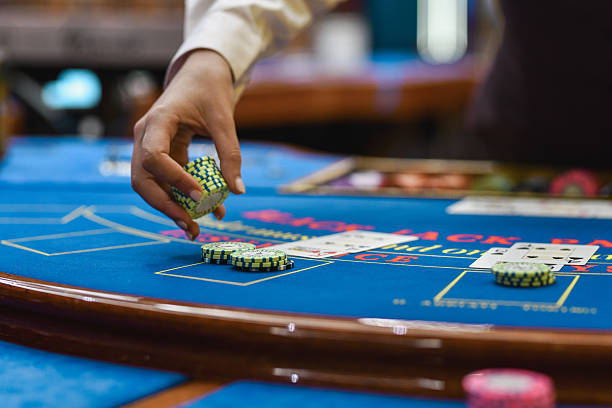
This disorder is often rooted in psychological and emotional factors, including stress, anxiety, and depression. Understanding these underlying issues is vital for fostering effective support and treatment strategies. The stigma surrounding gambling addiction often prevents individuals from seeking help, which is why raising awareness and initiating open conversations is crucial.
The Impact of Gambling Addiction
The effects of gambling addiction extend beyond the individual, affecting families and communities. Financial hardship is one of the most immediate consequences, often leading to debt, bankruptcy, and loss of assets. Relationships can also suffer as trust erodes and loved ones become increasingly impacted by the gambler’s decisions. Children in families with a gambling addiction may face emotional neglect and instability, leading to long-term psychological challenges.
Moreover, gambling addiction can have broader societal implications, including increased crime rates, as individuals may resort to illegal activities to fund their gambling habits. Understanding these impacts emphasizes the importance of addressing gambling addiction as a public health issue and not merely a personal failing.
Signs and Symptoms of Gambling Addiction
Recognizing the signs of gambling addiction is the first step toward intervention and recovery. Common symptoms include a growing preoccupation with gambling, a need to gamble with increasing amounts of money, and unsuccessful attempts to control or stop gambling. Individuals may also lie about their gambling habits or engage in risky behaviors to finance their addiction.
In addition to these behavioral signs, emotional symptoms such as anxiety, irritability, and depression can emerge. Awareness of these signs can empower friends and family members to provide crucial support and encourage those struggling to seek professional help.
Support and Treatment Options
Addressing gambling addiction requires a multifaceted approach, including therapy, support groups, and sometimes medication. Cognitive-behavioral therapy (CBT) has proven effective in helping individuals change their gambling behaviors and thought patterns. Support groups, such as Gamblers Anonymous, offer a community of shared experiences and accountability, providing a safe environment for individuals to discuss their challenges.
Furthermore, educating the public about gambling addiction can lead to greater acceptance and understanding, reducing stigma and promoting early intervention. Families play a vital role in supporting recovery, and encouraging open discussions can help to create a supportive network for individuals affected by gambling addiction.

Finding Resources and Support on Our Website
Our website serves as a valuable resource for individuals seeking to understand gambling addiction better and find the support they need. We provide comprehensive information on symptoms, treatment options, and recovery strategies to empower individuals and families alike. Additionally, we aim to foster a community where awareness can flourish, reducing the stigma associated with gambling addiction.
By promoting dialogue and sharing knowledge, we hope to contribute to a society where those struggling with gambling addiction feel supported and understood. Our commitment to raising awareness plays a crucial role in combating this prevalent issue, encouraging conversations that can lead to healing and recovery.