
The thrill of gambling: A psychological perspective
The allure of casinos often stems from the thrill of gambling. This excitement can trigger a release of dopamine in the brain, creating feelings of pleasure and reward. When players win, this chemical reaction reinforces their desire to continue playing, as it’s associated with positive emotions. Moreover, some of the best uk non gamstop casinos provide enticing bonuses that further entice individuals to engage in this cycle. Conversely, losses can lead to frustration and disappointment, which incentivizes some players to keep gambling in hopes of recouping their losses. This cycle of highs and lows can cause a compelling psychological tug-of-war, making the gaming experience both exhilarating and torturous.
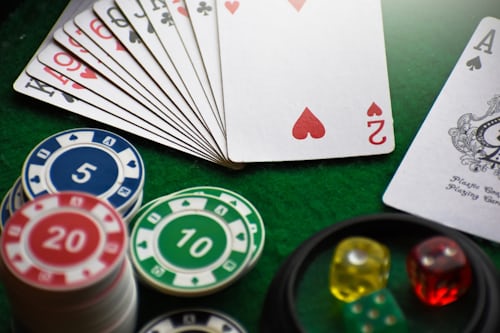
Moreover, the environment in a casino plays a crucial role in enhancing this psychological phenomenon. Bright lights, vibrant sounds, and the overall atmosphere are designed to captivate players’ senses, further heightening their emotional states. This sensory overload can lead to a type of euphoric high that clouds judgment, compelling individuals to make decisions influenced more by emotion than rational thought.
The concept of loss aversion in gambling
Loss aversion is a central concept in behavioral economics that explains how individuals experience losses more intensely than equivalent gains. In the context of gambling, this means that losing a certain amount of money feels significantly worse than the pleasure derived from winning the same amount. This psychological bias can lead players to gamble more aggressively to reverse their losses, often resulting in even larger financial setbacks. Understanding this can help unravel why some individuals find it difficult to walk away from a game after a loss.
Additionally, casinos capitalize on this concept by implementing features that exacerbate loss aversion, such as “near-misses.” For example, on a slot machine, getting two out of three matching symbols can trick the brain into perceiving a win, even though no money was earned. This manipulation reinforces the desire to continue playing, further entrenching players in the cycle of gambling.
The role of cognitive biases in gambling behavior
Various cognitive biases contribute to gambling behavior, influencing both wins and losses. One prominent bias is the illusion of control, where players believe they can influence random outcomes through their actions, such as choosing specific numbers or strategies. This false sense of agency can lead to increased gambling, as individuals are reassured by their perceived control over chance-based games.
Another cognitive bias that affects players is the gambler’s fallacy—the belief that future events are affected by past events in areas of chance. For instance, a player may think that after several losses, a win is “due.” This misconception can lead to continued play and further financial loss, demonstrating how cognitive distortions can sustain gambling behavior despite evidence to the contrary.
The impact of social factors on gambling outcomes
Social influences also play a significant role in the psychological processes behind casino wins and losses. For many, gambling is a social activity, often shared among friends or as part of a larger entertainment experience. This social validation can enhance the enjoyment of gambling, but it can also normalize excessive behavior. As individuals witness their peers winning, they may feel pressured to continue playing in hopes of replicating that success.
Moreover, peer feedback can influence players’ risk-taking behavior. In a group setting, players may be more inclined to take risks that they might avoid alone. This social pressure can lead to a higher likelihood of chasing losses, further embedding the psychological complexities surrounding gambling behavior.

Exploring responsible gambling through awareness
Understanding the psychology behind casino wins and losses not only highlights the potential pitfalls of gambling but also emphasizes the importance of responsible gaming. Awareness of cognitive biases, emotional triggers, and social influences can empower players to make informed decisions, reducing the risk of developing problematic gambling behaviors. Educating oneself about these psychological factors can foster a healthier approach to gambling.
At our website, we are dedicated to providing valuable resources for individuals interested in the psychological aspects of gambling. We believe that informative content can aid in navigating the complexities of casino experiences, encouraging a responsible mindset toward gaming. Whether you’re seeking advice, support, or insights, we are here to help you explore this fascinating subject with care and understanding.