
The Allure of Chance and Uncertainty
The excitement surrounding gambling in casinos is intrinsically linked to the psychology of chance and uncertainty. Players are naturally drawn to the unpredictability of outcomes, as this adds a layer of thrill to their experience. The potential for winning, amplified by the uncertainty of the game, ignites a rush of dopamine, a neurotransmitter associated with pleasure and reward. This biochemical response not only enhances the enjoyment of gambling but can also lead to compulsive behaviors when players chase the high associated with poker online and other games.
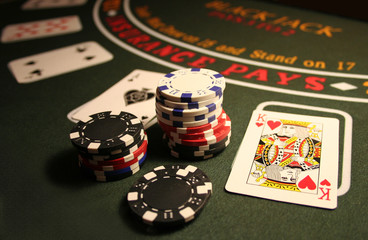
Moreover, the environment in casinos is meticulously designed to increase this sense of chance. Bright lights, vibrant sounds, and the general ambiance create an immersive experience that heightens anticipation. This sensory overload can distract players from their rational thinking, making it easier for them to engage in high-stakes gambling without fully considering the risks involved.
The Role of Emotion in Decision-Making
Emotions play a pivotal role in gambling behavior. Often, decisions made in casinos are not purely based on logic but are heavily influenced by emotional states. For instance, players may gamble more when feeling excited or optimistic, driven by the anticipation of potential wins. Conversely, they might engage in gambling as a means to escape negative emotions such as stress or sadness. This emotional rollercoaster can create a cycle where individuals repeatedly return to gambling as a way to manage their feelings.
Additionally, the concept of “loss aversion” is particularly relevant in this context. Psychologically, individuals are often more motivated to avoid losses than to achieve gains. This can lead players to continue gambling, hoping to recoup their losses, further reinforcing the emotional connection to their betting behavior. The interplay between emotion and decision-making significantly influences how individuals interact with gambling, often leading to irrational choices that can exacerbate financial and emotional distress.
The Impact of Social Influences
Social factors undeniably shape gambling behavior. Many individuals are influenced by their peers or the social norms surrounding gambling. Casinos often foster a communal atmosphere, with players enjoying games alongside friends or strangers, which can enhance the overall experience. This social interaction can encourage individuals to gamble more than they would if they were alone, as the shared excitement can amplify the urge to partake.
Furthermore, advertisements and marketing strategies employed by casinos often tap into social elements, presenting gambling as a desirable activity that can enhance social status or provide exciting experiences. The normalization of gambling in social contexts can lead to increased participation, as individuals may feel pressured to engage in this activity to fit in or seek approval from others.
The Design of the Casino Environment
The design and layout of casinos are strategically created to influence gambling behavior. From the placement of games to the availability of refreshments, every element is carefully considered to keep players engaged. Casinos often lack windows and clocks, creating a disorienting environment where players lose track of time, allowing them to gamble for extended periods without realizing how long they have been playing.
Moreover, the layout encourages exploration and movement, leading players to encounter new games and experiences, further enhancing their desire to continue gambling. This engineered atmosphere can induce a state of “flow,” where players become so immersed in the gaming experience that they lose awareness of their surroundings, making it easier to overlook their spending and the potential consequences of their gambling activities.

Understanding Responsibility in Gambling
As the awareness of the psychological aspects of gambling grows, it becomes essential for players and operators alike to recognize and promote responsible gambling practices. This includes understanding one’s limits and the potential for developing problematic behaviors. Casinos and gaming establishments are increasingly prioritizing player education and resources that encourage responsible gaming, enabling individuals to make informed choices.
The integration of security measures and support systems plays a crucial role in this effort. Operators can create an environment that not only allows for entertainment but also safeguards the well-being of players. By fostering open conversations about gambling and its psychological impacts, both players and casinos can contribute to a safer and more responsible gambling culture, enhancing the overall experience while minimizing risks.